- Teacher: Melissa Jean-Baptiste
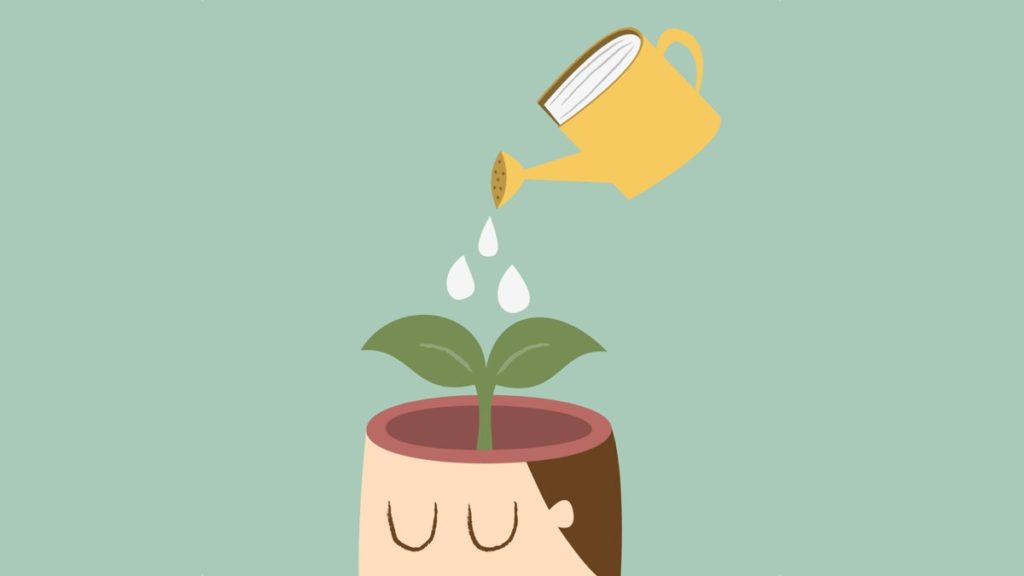
Intelligence is not something we are born with; it has to be cultivated slowly by learning as much as possible. In school, we are rarely taught how to learn. Through engaging in useful study strategies, reading about cognitive science, and creating learning plans, this course aims to give you one of the greatest tools in life: learning how to learn effectively. By the end of this course, you will be able to leverage cognitive science to learn any subject, no matter how difficult it may be.
- Teacher: Jacob Wright
- Instructor: Meagan Gallagher
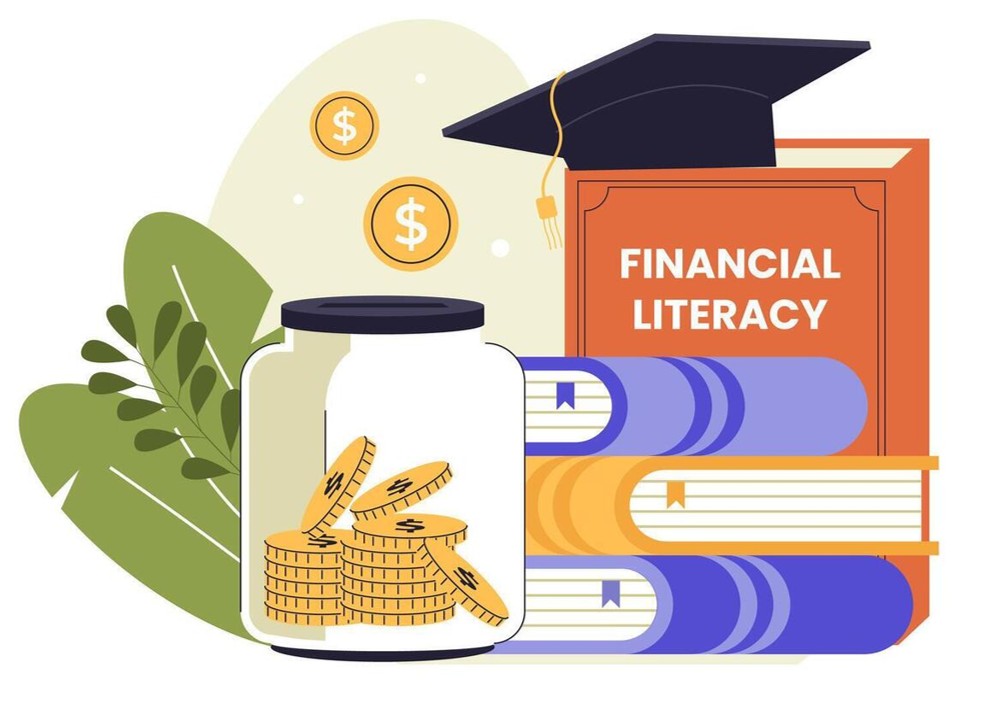
Introduction to Financial Literacy
Your future comes with big decisions—and money will be part of almost all of them. This course helps you get ahead by teaching the real-life skills you’ll need after graduation, from managing a paycheck and budgeting and saving to understanding credit cards, debt, and insurance. Through relatable scenarios and practical examples, you’ll learn how to make smart choices, avoid common mistakes, and build strong financial habits early. By the end, you’ll feel more prepared, confident, and excited about handling your finances with independence and purpose.
- Teacher: Kimberly Jacobs
- Teacher: Alix Zipperman

Course Title:
Misconceptions and Mythmaking: Earth Science
Course Description:
Earth Science is a branch of the physical sciences and is the study of interconnected Earth systems. The subject contains geosciences and their respective processes: such as geology, meteorology, oceanography, astronomy, and the planet Earth’s history.
However before scientific explanations and modern-day understandings existed of all these Earth Science processes, humanity created legends and folklore in order to explain them.
Even today, many people believe common misconceptions (“It is cold because the sun is getting farther from the Earth”) which is not unlike historical myths used to explain similar scientific processes humans did not understand (“Weather Gods creating storms”).
Students will be able to identify common Earth science misconceptions and the correct science behind them, understand the role “geomythology” plays in explaining Earth science processes as well as research popular folklore/legends/myths pertaining to misconceptions and connect to today’s scientific understandings, and analyze/create their own “myths” explaining a misconception that they may have had prior to the course.
- Teacher: Angela Ruggieri
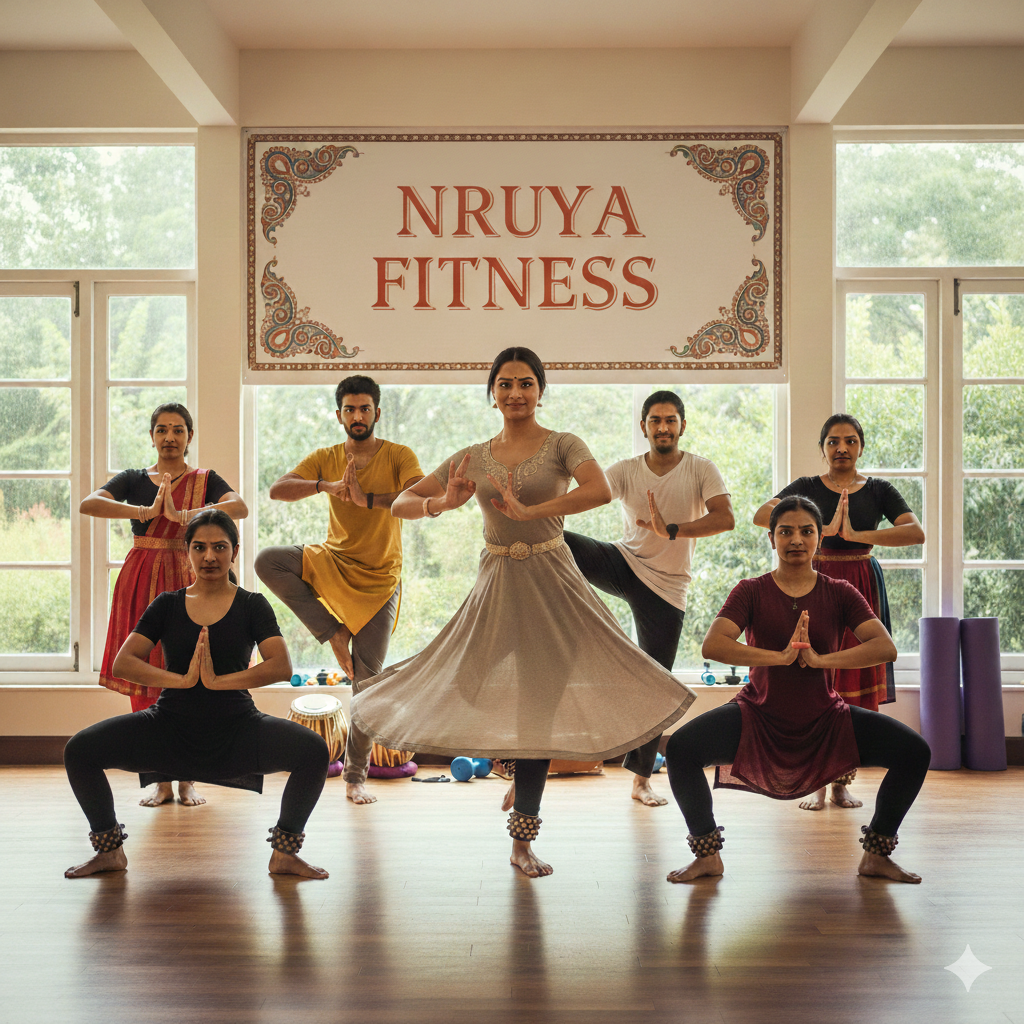
Nrutya Fitness is a movement-based fitness program that is designed for a period of three months and combines the principles of Indian classical dance with fitness training. The program incorporates classical training from Odissi, Bharatanatyam, and Kathak dance styles and provides a unique approach to full-body fitness. Participants need to train three times a week for an hour. We will be focusing on posture alignment, strength training, flexibility and core activation. Participants will also gain mental focus, spiritual connection and stress relief. It a is a course who is actively seeking a culturally rich alternative to gym workouts.
At the end of the course, students will benefit from better posture, improved stamina, stronger core with culturally rooted, aesthetic Indian classical dance styles.
- Teacher: sayali pendse

Foundations of Ruminant Nutrition & Digestion
This course will explore the unique digestive system and basic principles of nutrition in ruminants including cattle, sheep, and goats. Students will explore the structure and function of the rumen and its microbial fermentation process. The course will also examine the major classes of nutrients and common feedstuffs, such as forages and concentrates. By the end of the course, students will be able to determine how nutrients support growth, lactation and make clear connections between diet and digestive health.
- Teacher: Megan Dion